
When buying, selling, or inspecting a Rolex, the bracelet deserves almost as much attention as the watch itself. One detail that is often overlooked is the number of links in the bracelet.
The absence of a single link may seem insignificant, but on a Rolex, it can be important. The correct bracelet configuration can affect how the watch fits, whether it can accommodate a larger wrist, the overall integrity of the watch, and, in some cases, its appeal on the secondhand market.
So, how many links should a Rolex bracelet have?
There is no single answer that applies to all Rolex watches. The number depends primarily on the type of bracelet, the model, the reference number, and, in some cases, the generation of the watch. Most Rolex watches equipped with an Oyster bracelet are typically described as having around 12 main links plus the section connecting to the case, although Oyster configurations may vary. Jubilee and President bracelets use a considerably larger number of smaller individual links and typically feature 22 links plus the end links.
In this guide, we explain these differences in detail and provide a practical reference for the main Rolex collections.
Quick Guide to the Number of Links in Rolex Bracelets
| Rolex Model | Standard Cuff Settings |
|---|---|
| Rolex Air-King | Oyster: approximately 12 links + section connecting to the case |
| Rolex Cosmograph Daytona | Oyster: approximately 12 links + section connecting to the case |
| Rolex Datejust | Oyster: approximately 12 links + case attachment section / Jubilee: approximately 22 links + end links |
| Rolex Lady-Datejust | Oyster: approximately 12 links + the section connecting to the case / Jubilee or President: approximately 22 links + end links |
| Rolex Day-Date | Length: approximately 22 links + end links |
| Rolex Explorer | Oyster: approximately 12 links + section connecting to the case |
| Rolex GMT-Master II | Oyster: approximately 12 links + case attachment section / Jubilee: approximately 22 links + end links |
| Rolex Milgauss | Oyster: approximately 12 links + section connecting to the case |
| Rolex Oyster Perpetual | Oyster: approximately 12 links + section connecting to the case |
| Rolex Sea-Dweller | Oyster: approximately 12 links, with additional extension links depending on the model |
| Rolex Sky-Dweller | Oyster: approximately 12 links + case attachment section / Jubilee: approximately 22 links + end links |
| Rolex Submariner | Oyster: approximately 12 links + section connecting to the case |
| Rolex Yacht-Master | Oyster: typically about 12 links + the section connecting to the case |
These figures should be considered a practical guide rather than an absolute rule applicable to all Rolex watches ever manufactured. Vintage models, different generations of bracelets, replacement bracelets, and previous adjustments may result in a different number of links.
Why does the number of links on a Rolex vary depending on the source?
If you're trying to find out how many links a particular Rolex has, you may come across seemingly contradictory answers. One source might state that a bracelet has 12 links, while another might describe the same bracelet as having 13.
This is usually simply due to the way the links are counted.
The parts that connect the bracelet to the watch case are commonly called end links. Depending on the bracelet's generation and who is describing it, these sections may be counted separately from the main links.
Therefore, when checking whether a Rolex bracelet is complete, it is not always enough to count all the visible metal parts. The watch reference number and the bracelet reference number are also important.
This is especially important when inspecting a pre-owned Rolex, since it is very common for the watches to have been adjusted to fit their previous owners’ wrists. Ideally, the removed links should be included with the watch when it is sold.
Main Types of Rolex Bracelets
Rolex has produced several distinctive bracelet designs throughout its history. Three of the most recognizable families of metal bracelets are the Oyster, Jubilee, and President.
Each one has its own design, construction, and typical number of links.
Rolex Oyster Bracelet
The Oyster is probably the bracelet most closely associated with Rolex's sports and professional watches.
Its design features wide, flat three-piece links that give it a robust and solid appearance. This bracelet has been used on models such as the Submariner, GMT-Master, Explorer, Air-King, Sea-Dweller, Daytona, Milgauss, and Oyster Perpetual, as well as numerous Datejust configurations and other models.
A typical modern Oyster bracelet configuration is usually described as consisting of approximately 12 main links plus the section connecting to the case.
However, depending on the model and generation, Oyster bracelets can have anywhere from approximately 11 to 15 links.
This is one of the reasons why you should always check the model and reference number, rather than assuming that all Oyster bracelets have exactly the same number.
Modern Rolex bracelets may also feature adjustment mechanisms that allow for more wrist space without the need to add a conventional link.
One of the best-known examples is Easylink, which allows for approximately 5 mm of additional adjustment on compatible models.
Professional diving models may use even wider adjustment mechanisms.
Rolex Jubilee Bracelet
The Jubilee bracelet has a construction that is very different from that of the Oyster.
Instead of the Oyster's three-piece design, the Jubilee features a five-piece structure. Its smaller individual components create a more articulated bracelet with a more elegant appearance and great flexibility on the wrist.
Rolex introduced the Jubilee bracelet along with the Datejust in the 1940s, and since then this design has remained closely associated with this collection.
Modern Jubilee configurations are typically described as having approximately 22 links plus two end links.
Since its individual sections are smaller and more numerous than those of an Oyster, counting the links on a Jubilee bracelet correctly requires a little more attention.
The Jubilee is particularly important when evaluating models such as the Datejust, Lady-Datejust, and certain GMT-Master II and Sky-Dweller references.
Rolex President Bracelet
The President bracelet is one of Rolex's most recognizable designs and is particularly associated with the Day-Date.
It is constructed using three-piece semicircular links, creating a look that falls somewhere between the sporty character of the Oyster and the more elaborate design of the Jubilee.
The President bracelet is closely associated with Rolex watches made of precious metals and plays a particularly important role when evaluating a Day-Date.
A typical President bracelet is usually described as having 22 links plus two end links. Certain Lady-Datejust models have also been sold with a President bracelet.
Since the precious-metal links themselves can be quite valuable, it is especially important to verify that the bracelet is complete when examining a pre-owned Day-Date or Lady-Datejust equipped with a President bracelet.
Number of links on a Rolex watch, by model
Let's take a closer look at the main Rolex collections and the bracelet styles typically associated with each model.
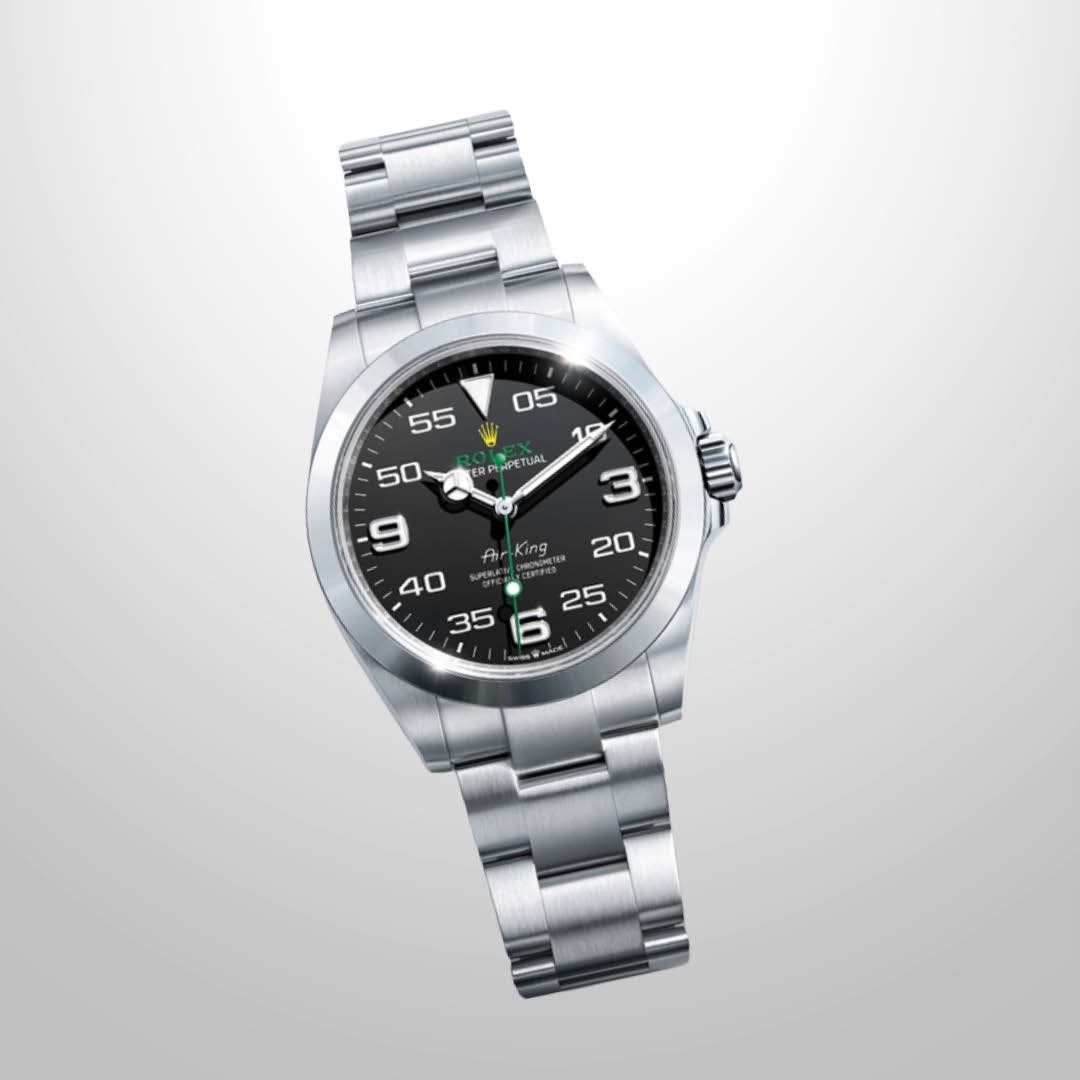
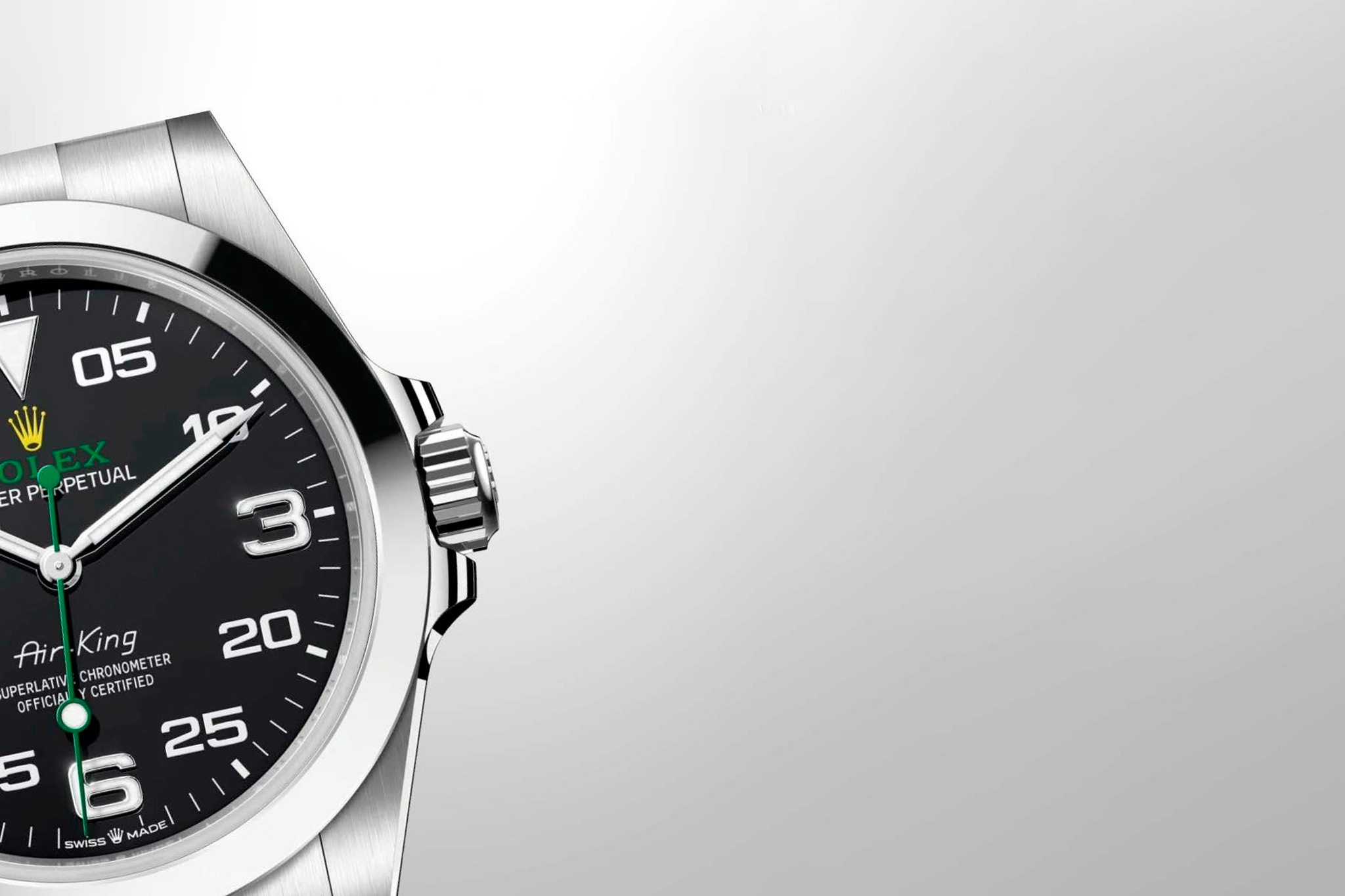
Rolex Air-King
The Rolex Air-King is traditionally equipped with an Oyster bracelet.
A standard configuration is typically described as consisting of approximately 12 main links plus the section connecting to the case.
Some newer models also feature Rolex's Easylink comfort extension system, which allows for a slight adjustment of the bracelet without physically adding another conventional link.
The Air-King has been available in numerous versions over the decades, so buyers of vintage models should always check the reference numbers of the watch and the bracelet rather than relying solely on the specifications of the most recent generation.
This is especially important for vintage Air-King watches, as the bracelet may have been replaced at some point during the watch's lifetime.
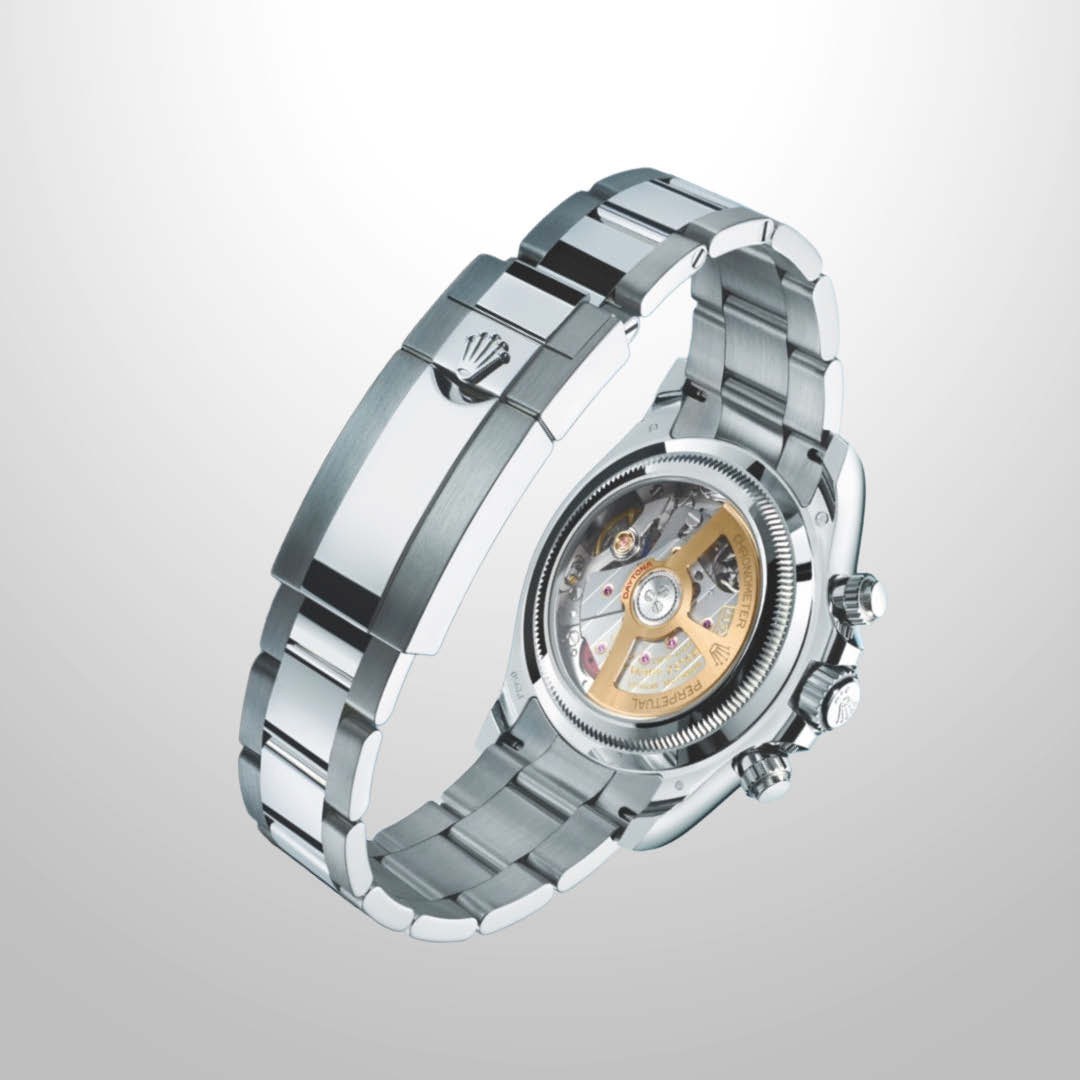
Rolex Cosmograph Daytona
The Cosmograph Daytona is another professional Rolex model commonly associated with the Oyster bracelet.
Models with an Oyster metal bracelet are typically described as having approximately 12 main links plus the section connecting to the case.
In more recent models, the bracelet can also offer an additional comfort adjustment via Easylink.
Since the Daytona is one of the Rolex collections with the highest level of activity in the resale market, it's worth carefully checking to make sure the bracelet is complete.
A Daytona whose bracelet was shortened for a previous owner may be missing one or more detachable links. If those original links are no longer available, restoring the bracelet to its original maximum length may require the purchase of replacement parts.
For a high-value Daytona, checking the reference number of the bracelet, the clasp, and the detachable links should be part of the watch's general inspection.
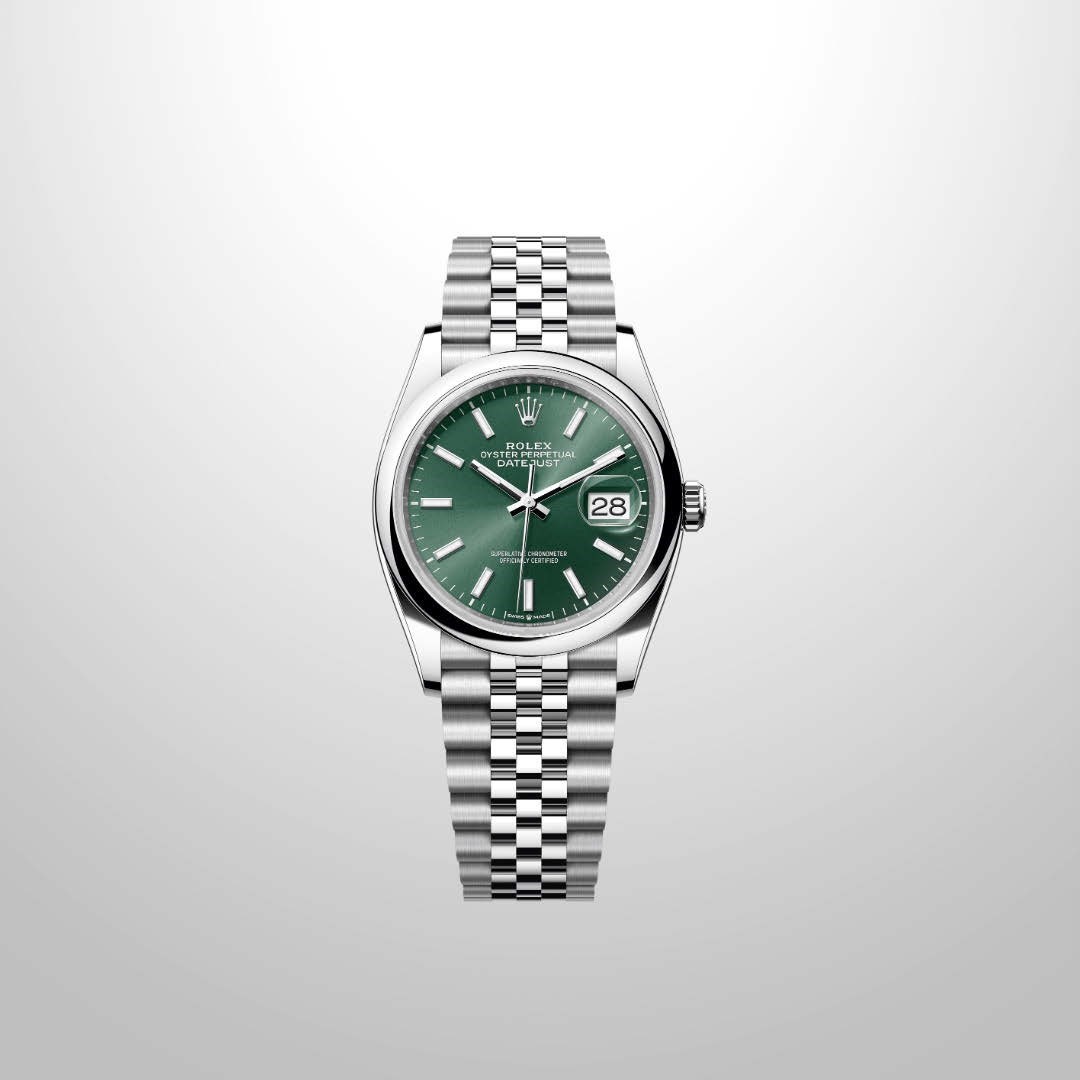
Rolex Datejust
The Rolex Datejust requires a little more attention because it is available with different bracelet styles.
A Datejust equipped with an Oyster bracelet is usually described as having approximately 12 links, plus the section connecting to the case.
A Datejust with a Jubilee bracelet typically has about 22 links plus two end links.
The difference is significant, but it is due to the completely different construction of the two types of bracelets.
The Oyster uses fewer, larger links, while the Jubilee uses a greater number of smaller, articulated sections.
Therefore, when buying a Datejust, you should first identify the type of bracelet before determining how many links it should have.
The materials can also vary considerably within the Datejust family, including stainless steel, combinations of stainless steel and gold, and versions made of precious metals.
Consequently, the cost of replacing missing links can vary significantly depending on the bracelet.
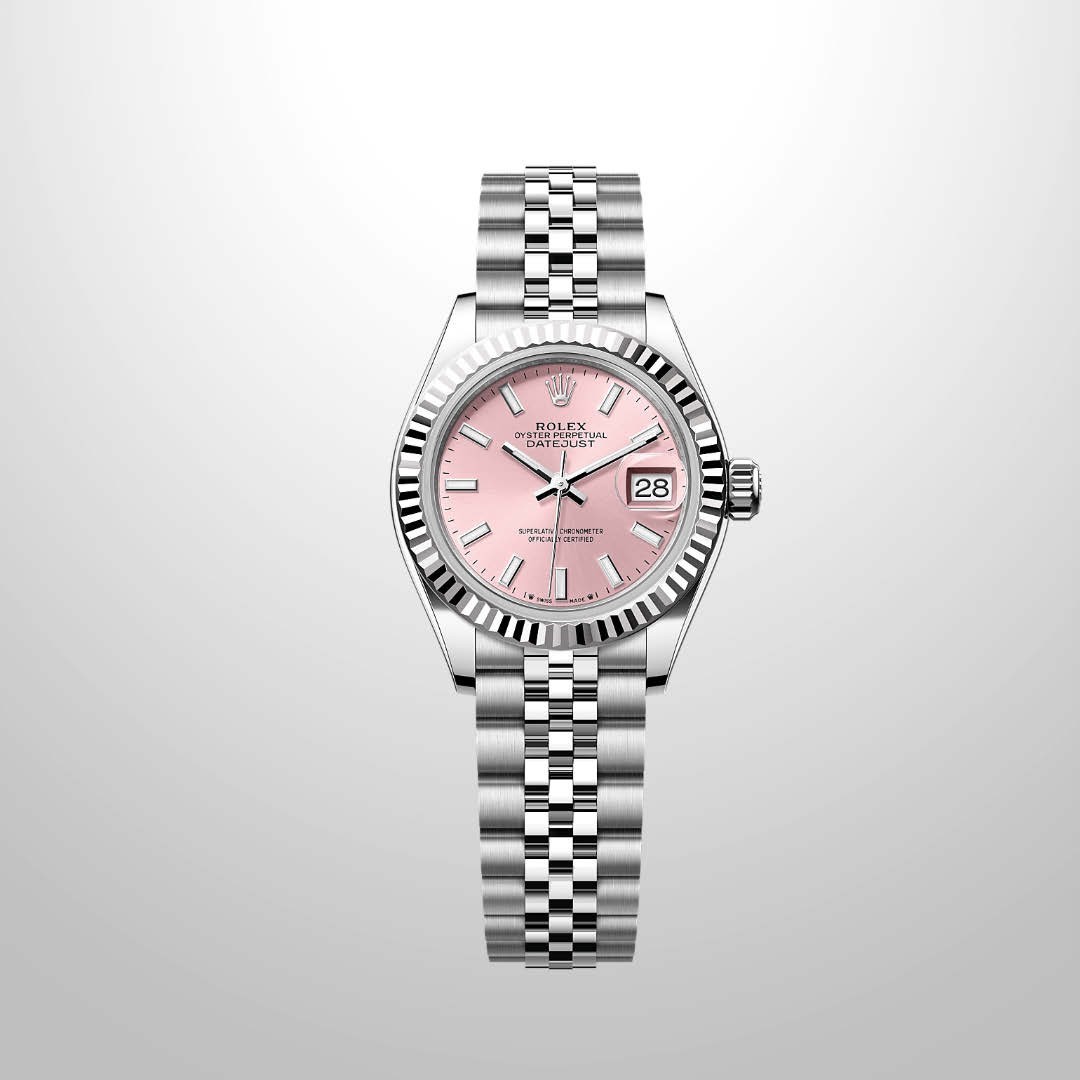
Rolex Lady-Datejust
The Lady-Datejust is particularly interesting because the collection has been marketed with Oyster, Jubilee, and President bracelet configurations.
With an Oyster bracelet, the standard configuration consists of about 12 main links plus the section connecting to the case.
The Jubilee and President configurations are typically described as having approximately 22 links plus two end links.
Especially with smaller watches, many bracelets have historically been shortened considerably to fit the wrist of their original owner.
For this reason, anyone buying a pre-owned Lady-Datejust should not automatically assume that the bracelet on the watch retains its full original length.
Always ask if the links that were removed are included.
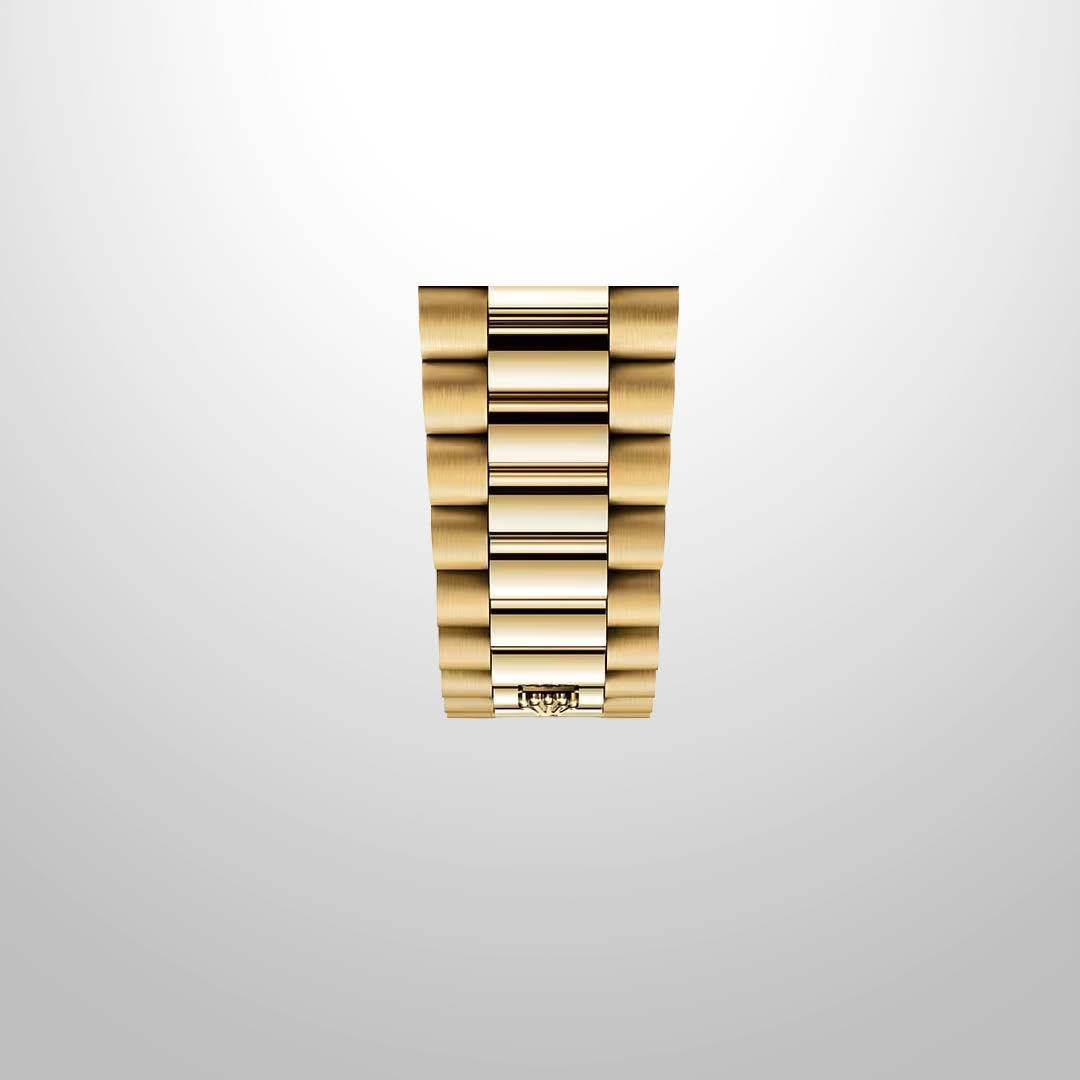
Rolex Day-Date
The Day-Date and the President bracelet are inextricably linked in the history of Rolex.
A typical President bracelet on a Day-Date consists of approximately 22 links plus two end links. Unlike many professional Rolex models, where replacing a missing steel link can be relatively simple, the links on the Day-Date are made of precious metals.
This makes it especially important to check that the bracelet is complete.
A watch that fits its current owner's wrist perfectly may still be missing several of its original links. For a future buyer with a larger wrist, those pieces could be important.
When appraising a Day-Date, it is important to check not only the condition of the case, the dial, and the movement, but also the length of the bracelet, its reference number, the clasp, and the number of removable links.
Old President bracelets should also be inspected for wear and excessive stretching.
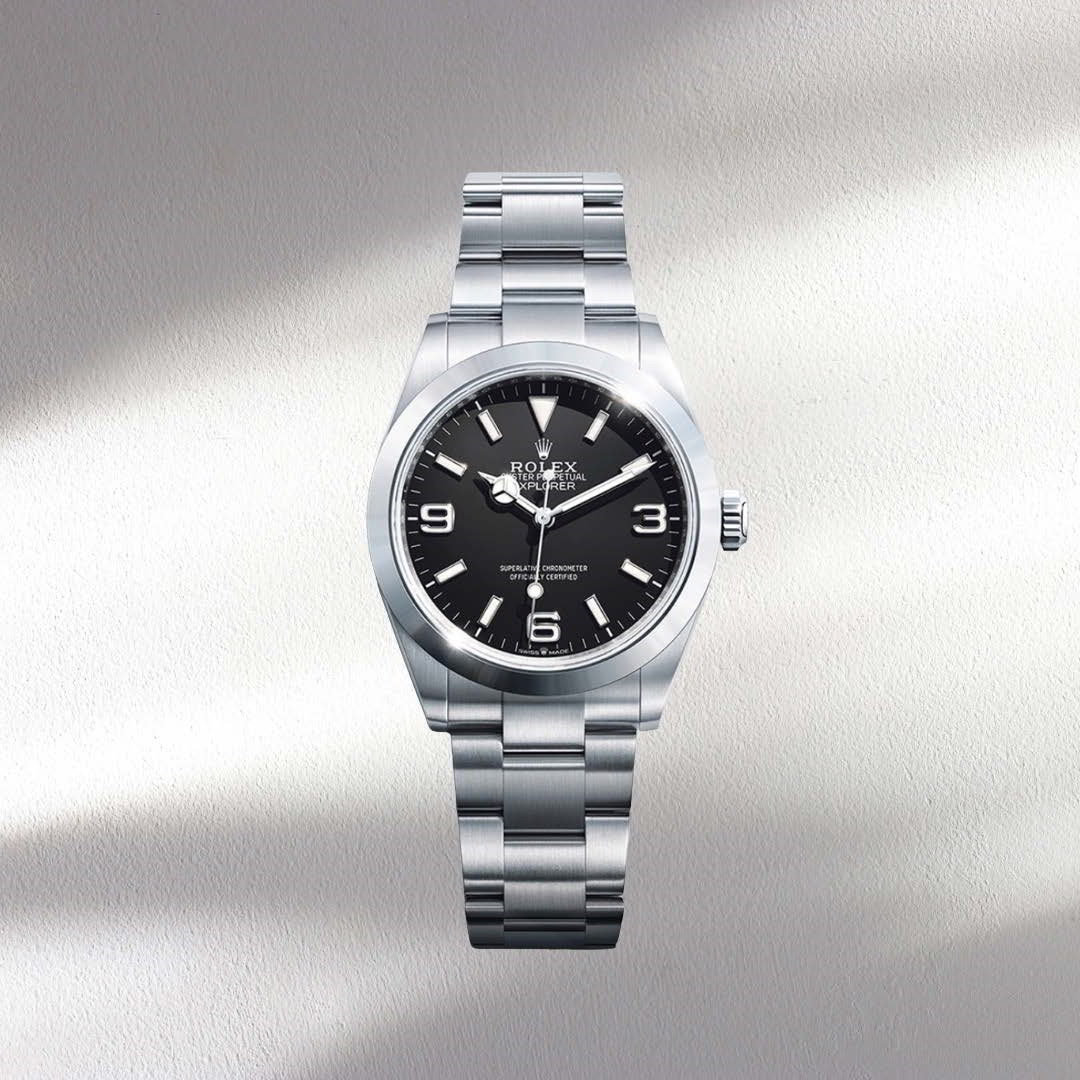
Rolex Explorer models equipped with an Oyster bracelet typically follow the standard configuration of professional models: approximately 12 links plus the section connecting to the case.
The Explorer has been available in numerous sizes and models, so the specific bracelet should always be checked against the specific watch.
The same principle applies to the Explorer II.
If a watch has had several owners, there is a high probability that the bracelet has been adjusted at some point.
Therefore, the number of links can provide useful information for determining whether the watch comes with the full bracelet.
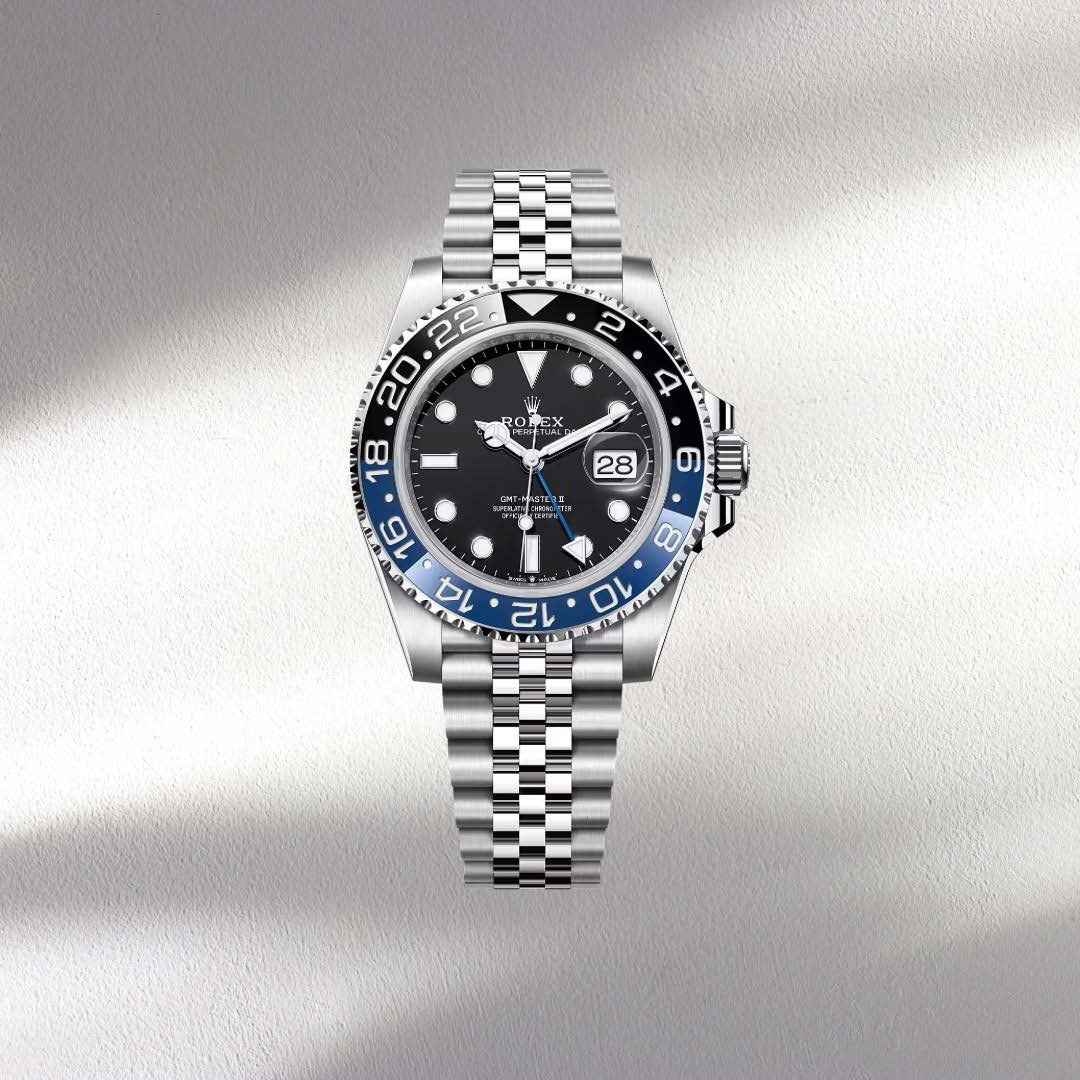
Rolex GMT-Master II
The GMT-Master II is one of the collections where it is essential to correctly identify the type of bracelet.
Depending on the model and configuration, the watch may feature an Oyster or Jubilee bracelet.
A GMT-Master II with an Oyster bracelet is typically described as having approximately 12 main links plus the section connecting to the case.
A watch equipped with the Jubilee bracelet typically has approximately 22 links plus two end links.
Both options are authentic Rolex configurations for their respective reference numbers, so the fact that a Jubilee bracelet has more links does not necessarily mean that the bracelet is longer.
The difference is due to its construction.
When purchasing a pre-owned GMT-Master II, it's also a good idea to verify that the bracelet and clasp are appropriate for the watch's reference number and era.
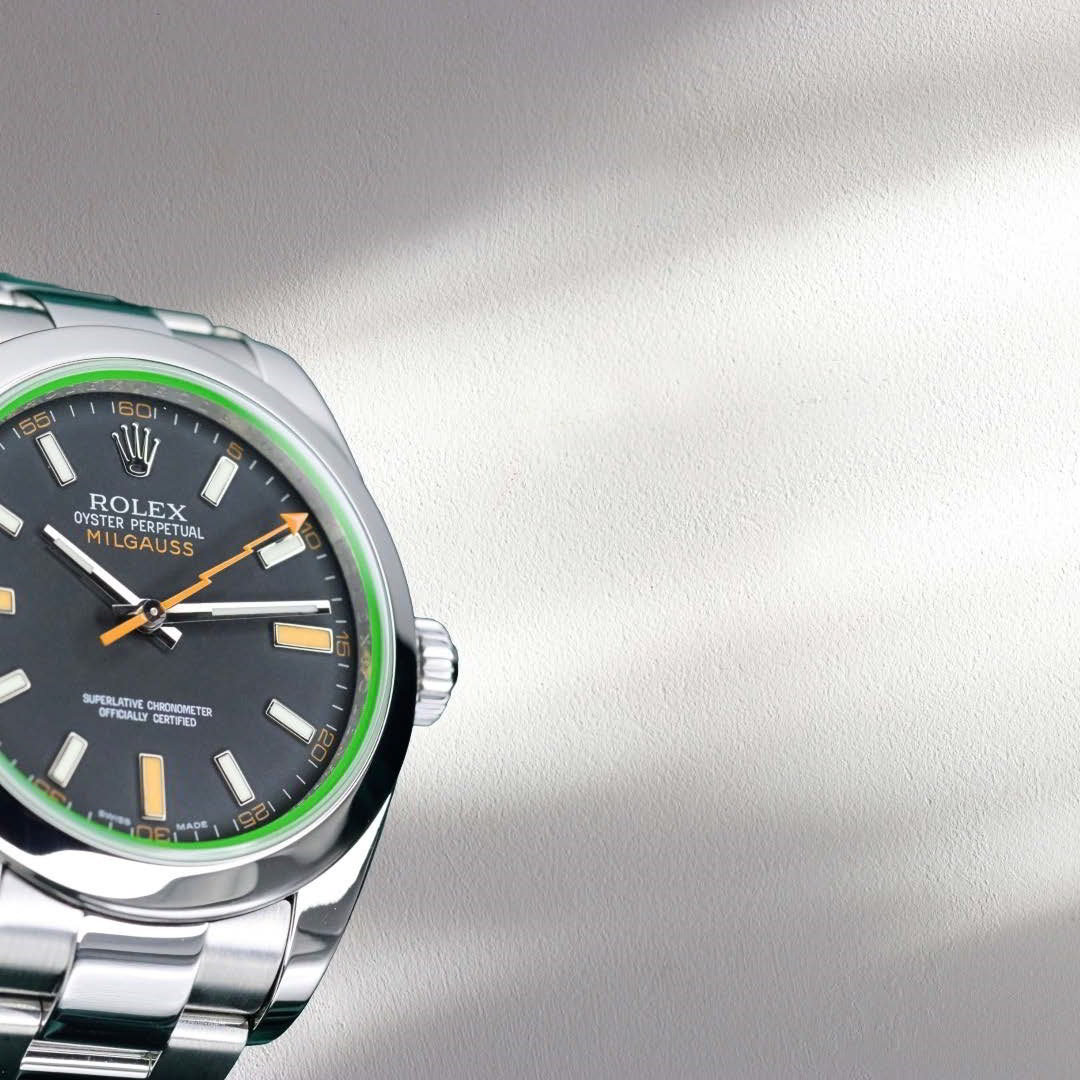
Rolex Milgauss
The Rolex Milgauss is traditionally equipped with an Oyster bracelet and typically follows the standard configuration of approximately 12 main links plus the section connecting to the case.
The Milgauss was originally developed as an anti-magnetic watch, but when it comes to inspecting the bracelet, the same principles apply as with other models equipped with an Oyster bracelet.
Check the overall condition, the correct bracelet reference number, the clasp, the number of removable links, and whether any additional links are included with the watch.
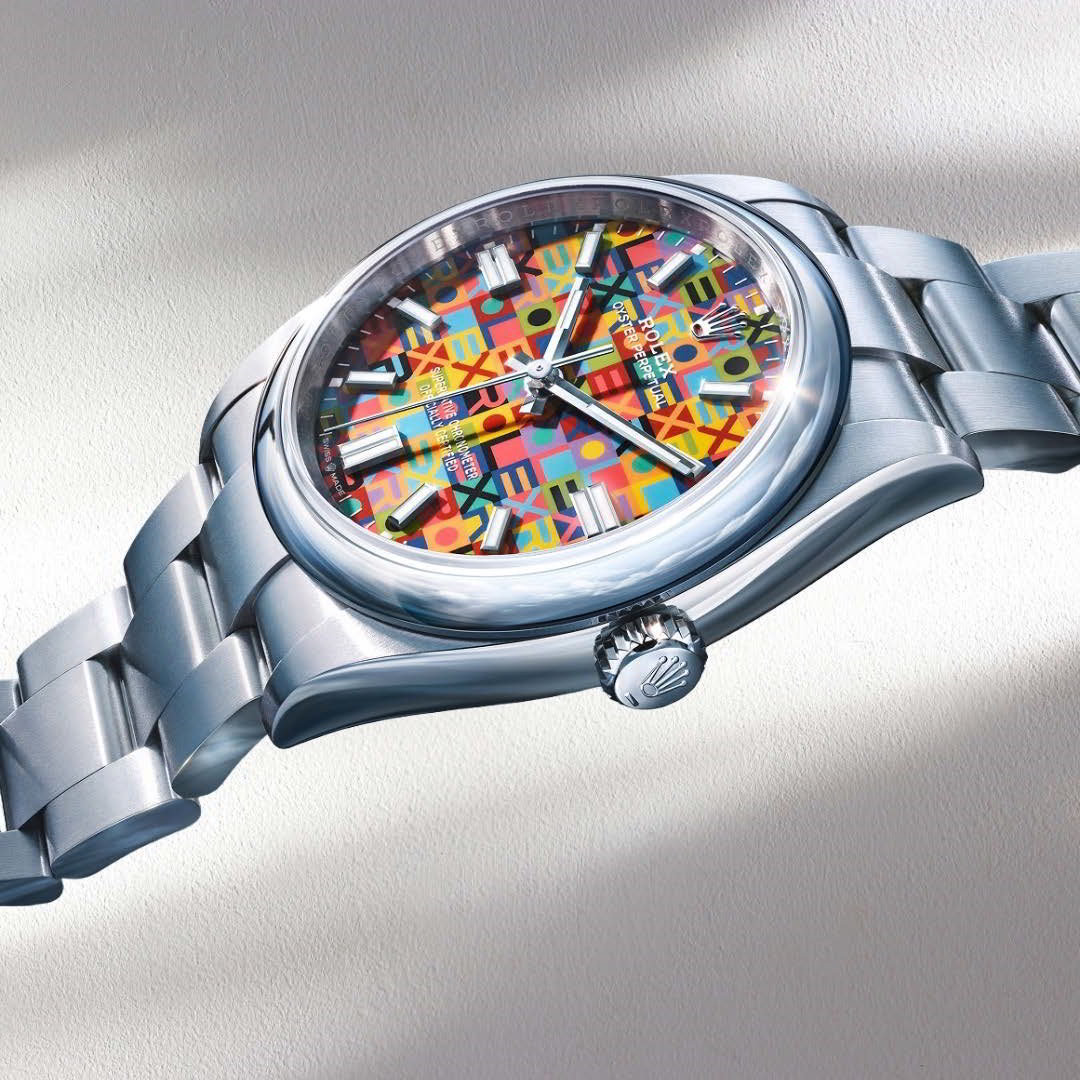
Rolex Oyster Perpetual
The Oyster Perpetual typically features an Oyster bracelet.
A typical factory configuration is usually described as consisting of approximately 12 main links plus the section connecting to the case.
As with other models, the exact configuration may vary depending on the watch size, bracelet generation, and model number.
Since Oyster Perpetual watches are available in different case sizes, it is particularly helpful to identify the exact reference number rather than trying to determine whether the bracelet is complete based solely on a generic number of Rolex links.
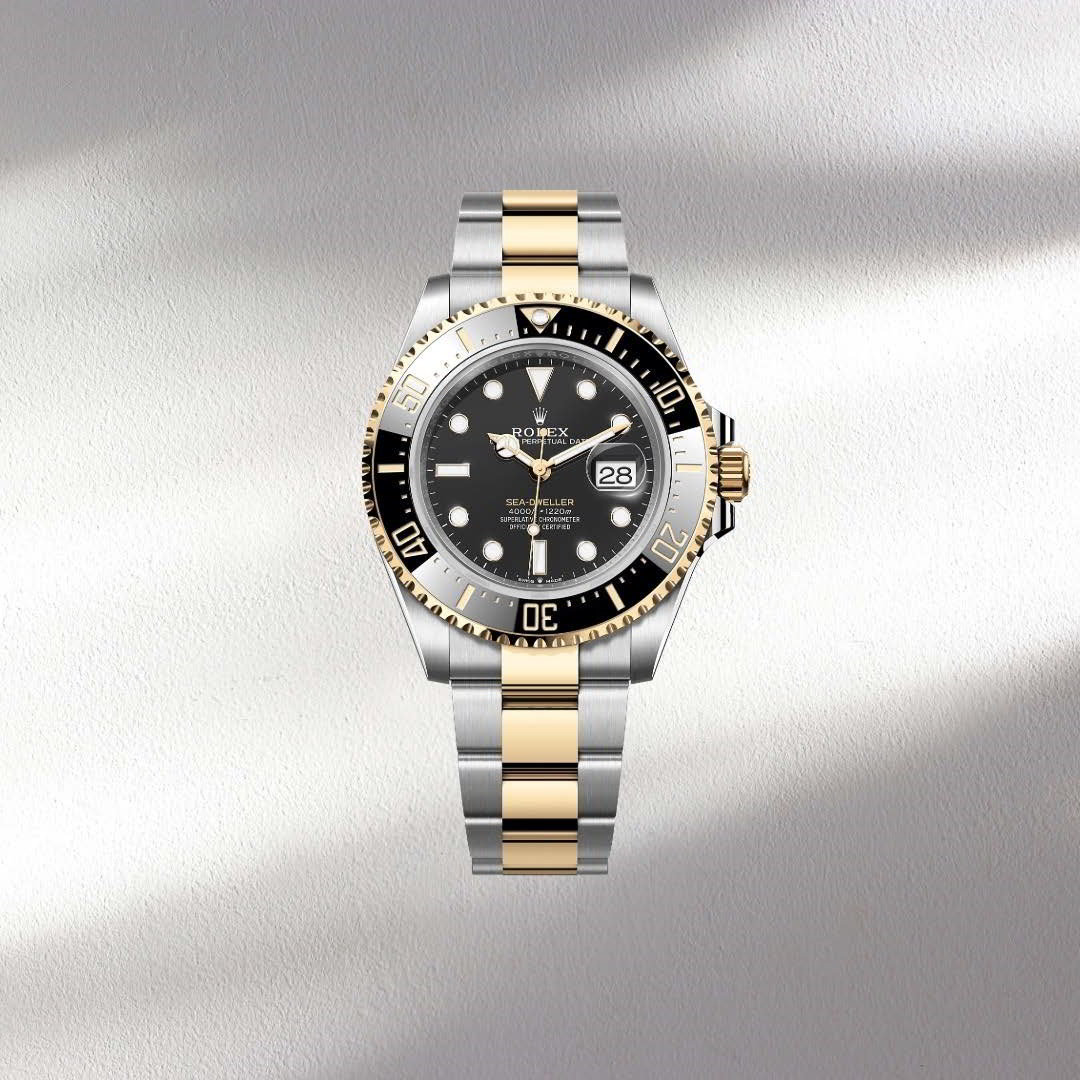
Rolex Sea-Dweller
The Sea-Dweller takes bracelet adjustment a step further, as it was designed as a professional diving watch.
Its Oyster bracelet is typically described as having approximately 12 main links, although certain versions include additional extension links specifically designed to increase the bracelet's usable length.
Some Sea-Dweller models feature Fliplock, which provides considerable extension so the watch can be worn over a diving suit.
Rolex's Glidelock system also allows for gradual adjustments without removing or adding conventional links.
This is important when counting links, because an extension system does not necessarily correspond to a standard detachable link.
Therefore, when it comes to a Rolex dive watch, the question shouldn't be just "How many links does it have?", but also "Does it include the correct clasp and extension system?"
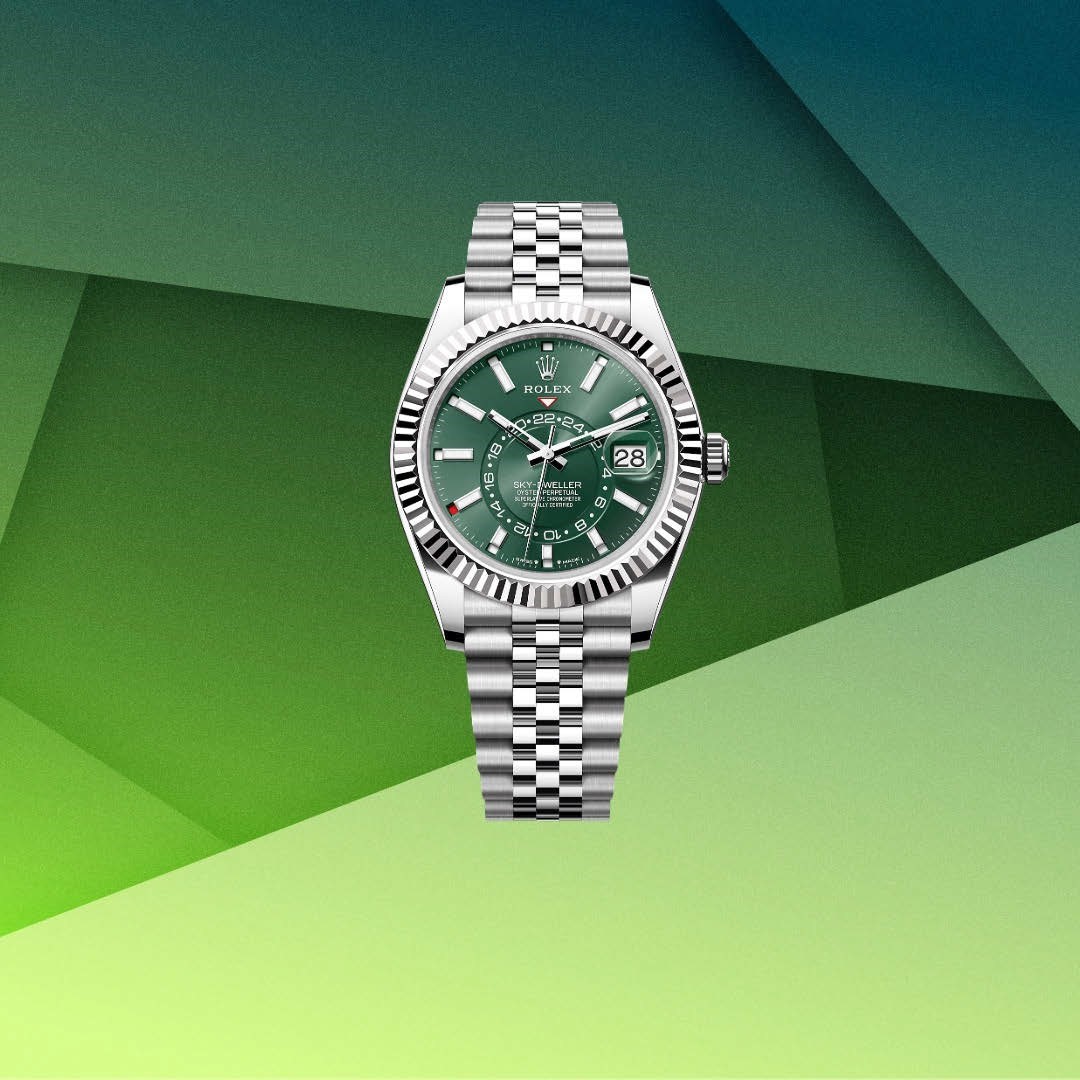
Rolex Sky-Dweller
Like the Datejust and the GMT-Master II, the Sky-Dweller is available with different bracelet configurations.
With an Oyster bracelet, the standard configuration consists of approximately 12 main links plus the section connecting to the case.
For the Jubilee bracelet, the configuration most often cited consists of approximately 22 links plus two end links.
The Sky-Dweller is a relatively modern collection from Rolex that combines a sophisticated movement with a large case, so proper bracelet adjustment is especially important for comfort.
If you buy a used watch, ask if the removed links are included, even if the watch already fits your wrist perfectly.
These links are part of the watch's integrity and may be important to a future owner.
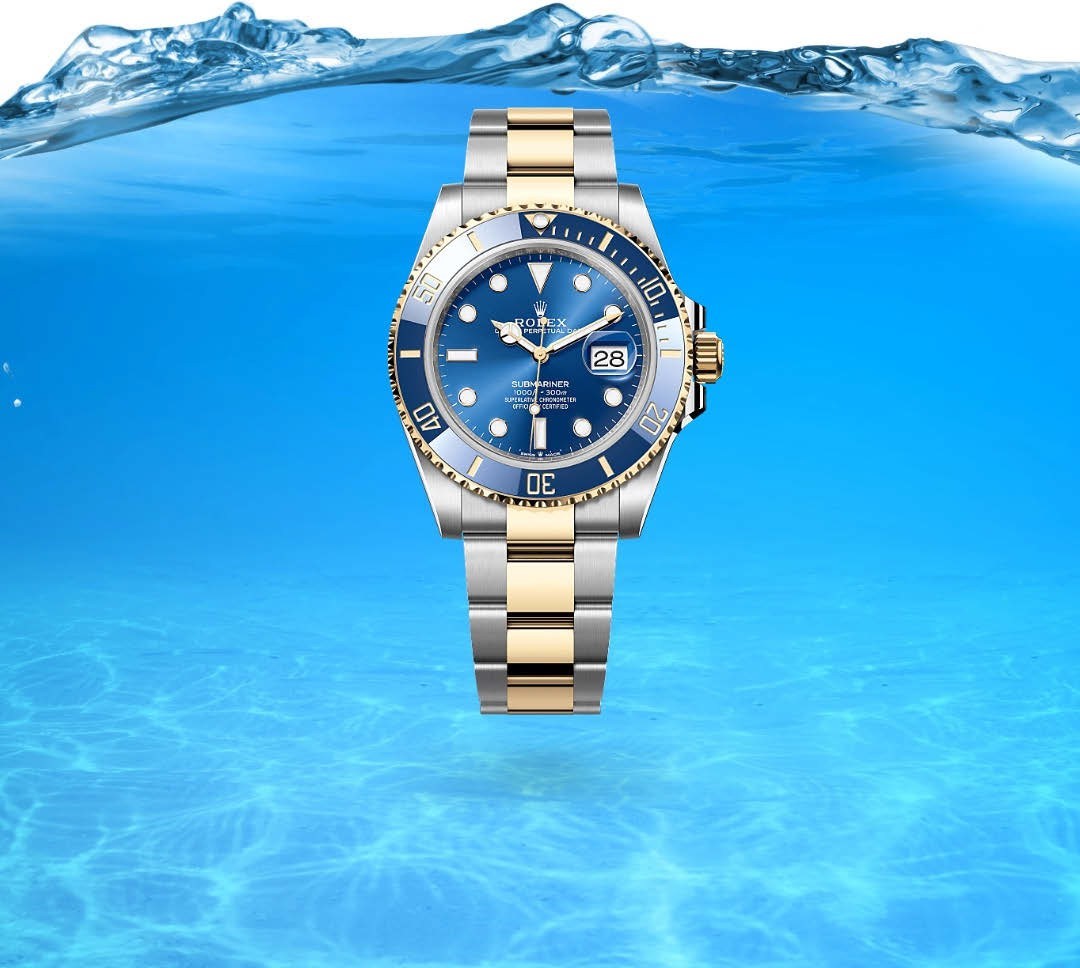
Rolex Submariner
The Submariner is one of the best-known watches with an Oyster bracelet in the Rolex lineup.
A typical Submariner bracelet is usually described as having approximately 12 main links plus the section connecting to the case, although configurations may vary.
A Submariner's bracelet should also be evaluated in conjunction with its clasp and adjustment system.
Modern models may feature Rolex's Glidelock mechanism, which allows the length of the bracelet to be adjusted slightly without adding or removing links.
This system is particularly convenient because wrist size can vary slightly depending on temperature and activity.
When inspecting a pre-owned Submariner, always make sure that, whenever possible, any links removed during previous adjustments are provided separately.
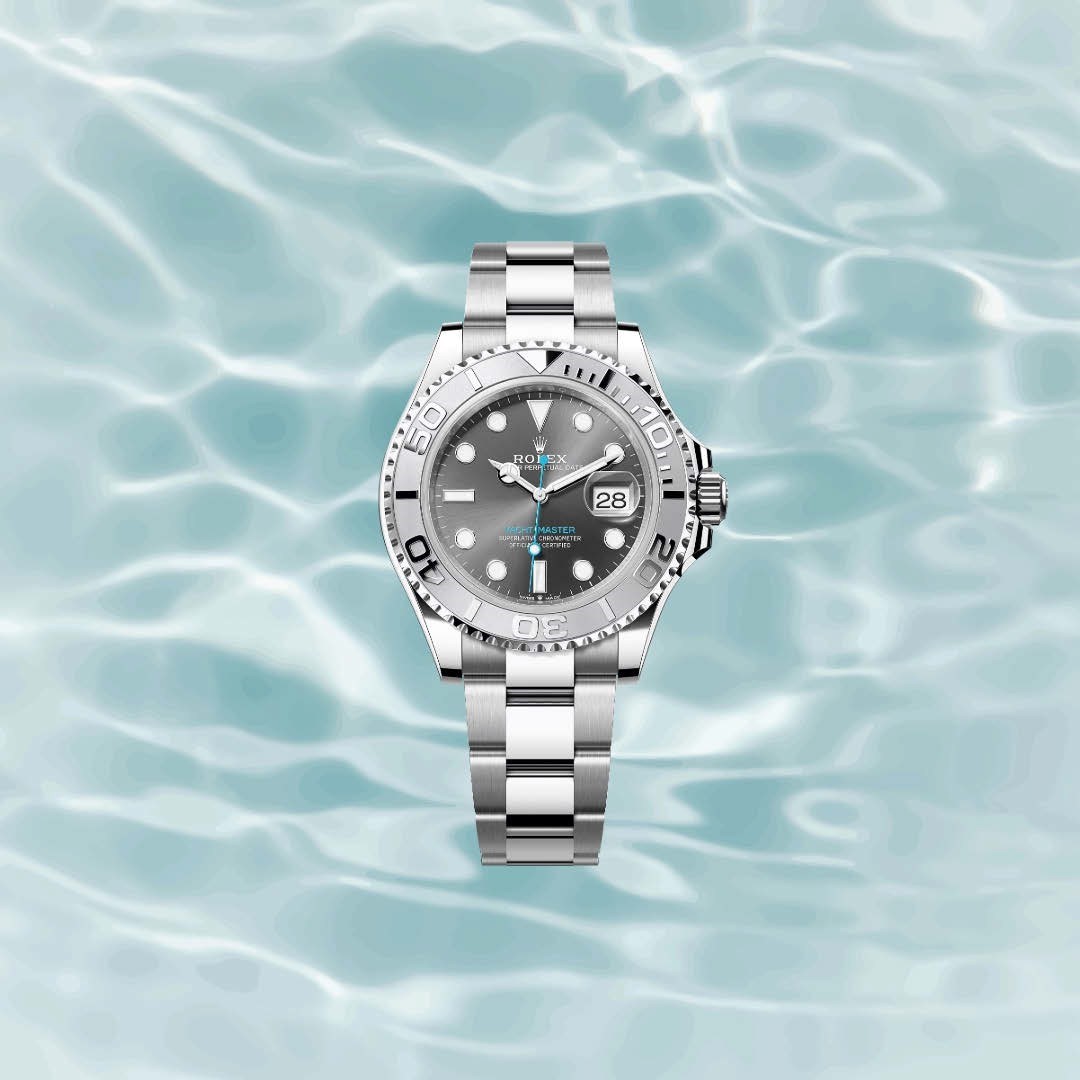
Rolex Yacht-Master
Many versions of the Rolex Yacht-Master feature an Oyster bracelet.
A typical Oyster metal bracelet usually has approximately 12 main links plus the section connecting to the case, although the total number may vary depending on the specific configuration.
The Yacht-Master has been manufactured in various sizes and materials over the years, so it is important to identify the exact model number.
Instead of relying solely on a general number of links, check the specific model number, the bracelet material, and the clasp installed on the watch.
Does a Rolex need all of its original links?
A Rolex does not need to have all of its detachable links attached to be considered complete.
In fact, a few links are removed from most watches worn on a daily basis to ensure the bracelet fits the owner's wrist properly.
The key difference lies between the links that have been removed and preserved and those that have been removed and lost.
Let's imagine that a Rolex is originally designed to fit a relatively large wrist, but its first owner removes two links. If those two links are kept in the box, it will be possible to restore the bracelet to its original length at a later date.
If any have been lost, the next owner may be forced to buy replacement links.
For this reason, the extra links of the bracelet should always be kept with the watch, even if they are not attached.
How can you tell if a Rolex is missing links?
Start by identifying the exact model number of the watch and the type of bracelet.
Next, inspect both sides of the bracelet and determine which sections can be removed. Rolex bracelets do not necessarily have to be symmetrical after an adjustment, as a watchmaker may remove more links from one side than the other to position the clasp correctly under the wrist.
Just because one side has fewer links doesn't automatically mean there's a problem.
You should also check the box and the accessories that come with the watch. The extra links are usually stored separately in a small bag, envelope, or compartment.
When purchasing a high-value pre-owned Rolex, it's worth asking the seller directly whether the bracelet comes with all the links that were removed.
Does removing links reduce the value of a Rolex?
Removing links simply to adjust the size of the bracelet does not usually reduce the value of a Rolex, provided that those links are kept and the work has been done correctly.
Losing the original links is a different matter.
The cost of replacement depends largely on the material and the model. Obviously, a steel link and a link from a President bracelet made of precious metal are not equivalent.
Having the complete set is particularly important for collectible watches, discontinued models, and pieces made of precious metals.
Therefore, an experienced buyer may take the absence of links into account when negotiating the price of the watch.
Can links be added back to a Rolex?
In many cases, yes.
If the original detachable links are still available, they can usually be reattached to lengthen the bracelet.
However, bracelet designs vary, and adding or removing links without the proper tools can mar the screws, scratch the polished surfaces, or damage the bracelet.
For a high-end watch, the bracelet should be adjusted carefully by someone experienced in working with luxury watches.
The goal is not only to ensure that the bracelet fits properly, but also to maintain the condition of the screws, links, and surrounding surfaces.
What is an end link on a Rolex?
The term “end link” refers to the part of the bracelet located where it attaches to the watch case.
It should not automatically be considered the same as a conventional removable link used to adjust the size of the bracelet. This distinction explains why the number of links can be confusing.
You may come across a description stating that a particular Oyster bracelet has 12 links and another stating that it has approximately 13 components. Both may be referring essentially to the same overall configuration of the bracelet but using different methods to count the links.
For this reason, the most useful question isn't simply how many metal links you can count by eye. What matters is determining whether the bracelet's configuration is correct and complete for that specific Rolex model.
Why It's Important for the Bracelet to Be Complete When Buying a Pre-Owned Rolex
The bracelet is an integral part of a Rolex.
When evaluating a pre-owned watch, buyers typically focus on the dial, the case, the movement, the bezel, the serial number, and the warranty documentation. However, the bracelet deserves the same level of attention.
A properly fitted and complete wristband offers several advantages.
It provides greater flexibility for future wrist adjustments, helps preserve the watch's original condition, and makes it easier to resell to someone with a larger wrist.
The bracelet and clasp model numbers can also help determine whether the components are the correct fit for the watch.
In Rolex watches that are highly sought after by collectors, these details take on even greater importance.
Should you count the links on a Rolex before buying it?
Yes, especially if it's a used watch.
You shouldn't rule out a Rolex just because it currently has one or two links removed. That's completely normal.
What you need to determine is whether those removed links are included with the watch.
If any are missing, check the cost and availability of the appropriate replacement parts before completing your purchase.
For sports models made of steel, this may be a relatively minor issue compared to the watch's total value. However, for gold or platinum bracelets, replacement links can have a considerably greater financial impact.
Frequently Asked Questions About Rolex Bracelet Links
How many links does a Rolex Oyster bracelet usually have?
Many Rolex Oyster bracelet configurations are typically described as having approximately 12 main links plus the section connecting to the case. However, depending on the model, reference, and bracelet generation, Oyster bracelets can vary and may have between approximately 11 and 15 links.
How many links are there in a Rolex Jubilee bracelet?
A typical Jubilee bracelet is usually described as having about 22 links plus two end links.
How many links are there in a Rolex President bracelet?
A typical President bracelet is usually described as having approximately 22 links plus two end links.
How many links does a Rolex Submariner have?
The Oyster bracelet on a Submariner is generally described as having approximately 12 main links plus the section connecting to the case, although the exact configurations may vary.
How many links does a Rolex Daytona have?
Daytona models with an Oyster metal bracelet are typically described as having approximately 12 main links plus the section connecting to the case.
How many links does a Rolex Datejust have?
It depends on the bracelet. A Datejust with an Oyster bracelet typically has about 12 main links plus the section that connects to the case, while a Jubilee configuration usually has about 22 links plus two end links.
How many links does a Rolex Day-Date have?
The President bracelet used on the Day-Date is typically described as having about 22 links plus two end links.
How many links does a Rolex GMT-Master II have?
A GMT-Master II with an Oyster bracelet typically has about 12 main links plus the section connecting to the case. A GMT-Master II with a Jubilee bracelet is usually described as having about 22 links plus two end links.
Can a Rolex bracelet be too short even if it doesn't look like there are any links missing?
Yes. The bracelet may have been adjusted previously, and the removed links may no longer be with the watch. Therefore, it is important to check the entire bracelet and not limit yourself to inspecting only the links that are currently attached.
Do Rolex extension systems count as regular links?
Not necessarily. Systems such as Easylink, Glidelock, and diving extensions serve a different purpose than the conventional detachable links used to adjust the bracelet. They must be identified separately when determining whether the bracelet is complete.
There is no universal number of links that applies to all Rolex watches.
As a general rule, Rolex Oyster bracelets use fewer, larger links and are typically described as having approximately 12 main links plus the section connecting to the case. Jubilee and President bracelets use a greater number of smaller sections and are typically described as having approximately 22 links plus their end links.
However, you should also consider the model, reference number, date of manufacture, bracelet style, and clasp type.
For anyone planning to buy a pre-owned Rolex, the most important thing isn't simply to check whether the watch fits properly at that moment. You should verify that the bracelet matches the reference number, that any removed links are included, and that both the clasp and the adjustment mechanisms are complete.
Those small metal parts may seem like minor components, but in a valuable Rolex, they play a significant role in the watch's authenticity, functionality, and overall integrity.

